Long-Term Human-Humanoid Co-Adaptation

3rd Workshop on Real-World Physical and Social Human-Robot Interaction in the 2026 IEEE-RAS 25th International Conference on Humanoid Robots (Humanoids), 6th December 2026, California, USA.

The website for the first edition of this workshop at IEEE-Humanoids 2024, featuring proceedings, accepted papers, and a picture gallery, can be accessed at: https://rwhri.github.io/Humanoids2024_workshop/

The website for the second edition of this workshop at IEEE-Humanoids 2025, featuring proceedings, accepted papers, and a picture gallery, can be accessed at: https://rwhri.github.io/Humanoids2025_workshop/

The workshop will take place in a hybrid mode and available for online participants via Microsoft Teams


Thanks to their physical capabilities, humanoid robots have the potential to assist humans in a wide range of scenarios - homes, hospitals, public spaces, and workplaces. Today, there is a growing expectation for richer, more natural, and even personalized forms of interaction. Humanoid robots must not only perceive and interpret diverse human cues, but also respond in ways that are context-aware, socially intelligent, and acceptable to users. Achieving this requires moving beyond short-term interaction toward long-term human-robot co-adaptation. To this end, robotic systems must incorporate mechanisms to recognize and overcome their own limitations, continuously adapting their behavior to users and learning from natural human inputs. This third edition of our Human-Robot Interaction workshop aims to foster discussion on how robots can represent and understand their own skills, and model human behavior and state. From these foundations, mutual adaptation is the follow-up, with learning from human guidance the next step to overcome their limits. From the user perspective, interactions must be felt as natural and intuitive as possible, personalizable, and they must address the ethical and societal implications associated with long-term human-robot coexistence. Special attention will be given to adaptive behaviors in humanoids, robot self-awareness, online and incremental learning, personalized interaction, shared autonomy, and cognitive and behavioral modeling of humans. The workshop will feature keynote talks by established researchers from academia and industry, an interactive panel discussion to actively engage the audience, and contributions from emerging researchers through short talks and a poster session.

This workshop is organized by:

We acknolwedge the financial support by:

nwo
Dutch Research Council (NWO)
Digital Futures
Digital Futures,KTH, Sweden

EU
European Union

Program Schedule

📅 Date & Time Zone

Monday 7 December 2026 · PST (UTC-8)

📍 Place

Room TBD, Santa Clara Convention Center, California, USA

📹 Join Online

Microsoft Teams

🌐 Main Conference

IEEE Humanoids 2026

Time Program
08:50-09:00 Introduction
09:00-09:30 Speaker 1
09:30-10:00 Speaker 2
10:00-10:30 Keynote 3 Ph.D. Kenya Mori Understanding Contact-Rich Human Motion for Long-Term Human-Robot Co-Adaptation
10:30-11:00 Break Conference Coffee Break
11:00-11:30 Speaker 4
11:30-12:00 Keynote 5 Prof. Tamim Asfour Learning from Experience: Memory-Centric Humanoids for Long-Term Interaction
12:00-12:30 Keynote 6 Prof. Dylan Loosey Is it imitation learning? Or is it just language models?
12:30-13:30 Lunch Conference Lunch
13:30-14:00 Round Table Q/A What Will It Take for Humanoids to Truly Co-adapt with Humans?
14:00-14:30 Round Table Q/A Round Table Q/A
14:30-15:00 Spotlights Spotlight Talks
15:00-15:30 Break Conference Coffee Break
15:30-16:00 Spotlights Spotlight Talks + Posters
16:00-16:30 Speaker 7
16:30-17:00 Speaker 8

Speakers

Meet our esteemed speakers from academia and industry.

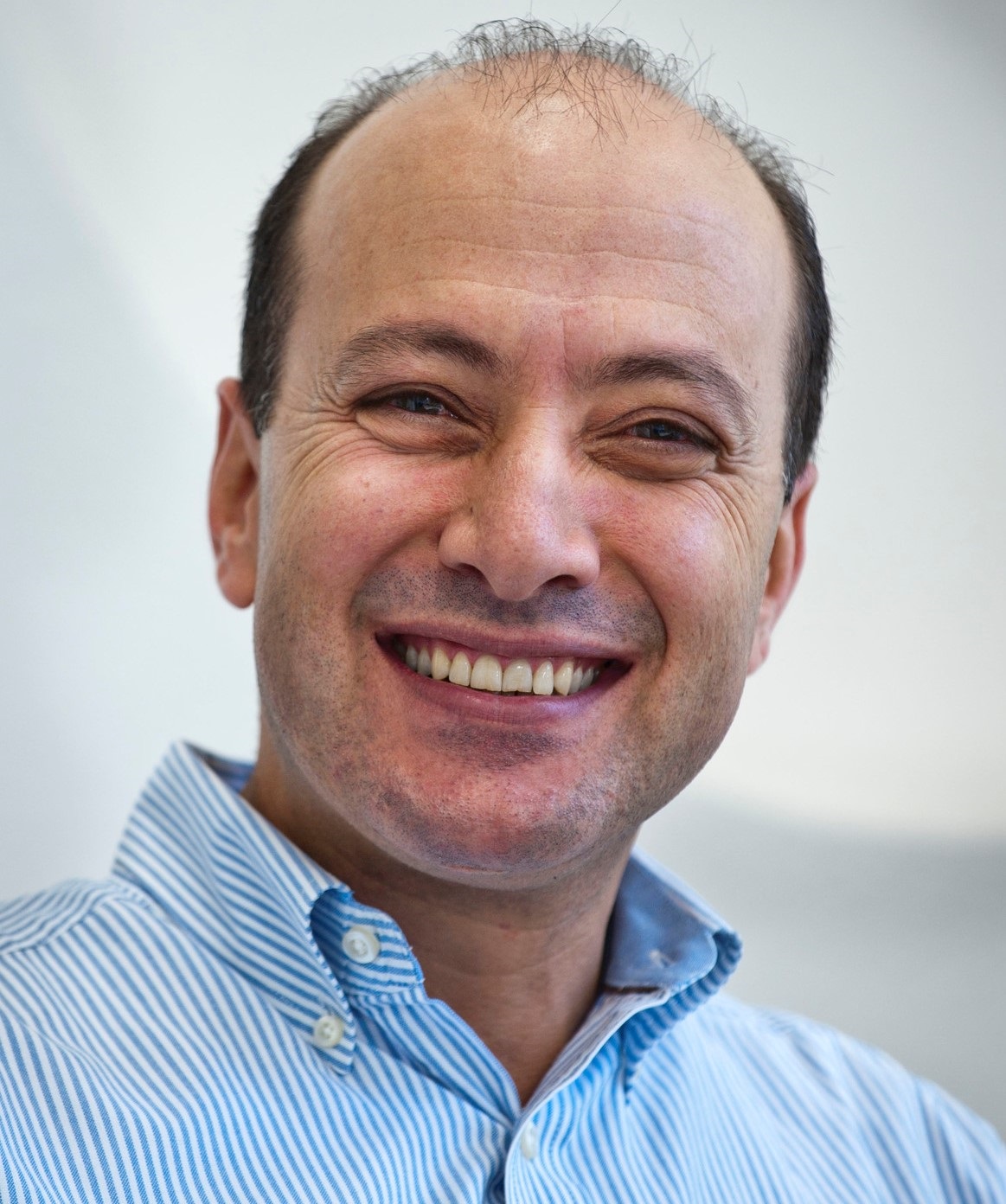
Tamim Asfour

Tamim Asfour

Professor, Karlsruhe Institute of Technology, Germany

Talk: Learning from Experience: Memory-Centric Humanoids for Long-Term Interaction

11:30-12:00

Academia Presence
Tetsuya Ogata

Tetsuya Ogata

Professor Waseda University, AIST, Tokyo, Japan

Talk: Title to be announced

Time: To be announced

Academia Presence
Kenya Mori

Kenya Mori

Postdoctoral Researcher, Interactive Robotics Lab, Department of Medical and Robotic Engineering Design, Tokyo University of Science, Japan

Understanding Contact-Rich Human Motion for Long-Term Human-Robot Co-Adaptation

Abstract: Long-term physical human-robot interaction and co-adaptation require robots to understand human motion in everyday life, especially motions involving physical contact. However, datasets that capture such contact-rich human behavior are still limited, and methods for acquiring and representing these data have not yet been fully established. Toward building contact-rich human motion datasets, we have been developing fundamental technologies for contact annotation, contact force estimation, whole-body tactile sensing, and subject-specific dynamic modeling. Ultimately, we aim to use such datasets to capture individual differences in human behavior and enable personalized physical assistance. In this talk, I will present our recent progress and discuss how contact-rich human motion understanding could contribute to long-term human-robot co-adaptation.

Bio: Kenya Mori received a PhD from the University of Tokyo and is currently a postdoctoral researcher at Tokyo University of Science, working on humanoid robotics and physical human-robot interaction. Their research interests include human motion analysis, whole-body sensing, human modeling, and robot adaptation for physical interaction with humans.

Time: 10:00-10:30 Academia Presence
Kayla Matheus

Kayla Matheus

Head of HRI and UX at Rhoda AI, Palo Alto (CA), USA

Talk: Title to be announced

Time: To be announced

Industry Presence
Dylan Losey, Associate Professor at Virginia Tech

Dylan Losey

Associate Professor, Virginia Tech, USA

Is it imitation learning? Or is it just language models?

Time: 10:00-10:30 Academia Remote
Photo coming soon

Speaker to be announced

Affiliation to be announced

Talk: Title to be announced

Time: To be announced

TBA
Photo coming soon

Speaker to be announced

Affiliation to be announced

Talk: Title to be announced

Time: To be announced

TBA
Photo coming soon

Speaker to be announced

Affiliation to be announced

Talk: Title to be announced

Time: To be announced

TBA

Accepted Papers for Spotlight Presentations

TBD

Call for Contributions

We invite short paper submissions presenting late-breaking results, novel ideas, design case studies, or empirical findings on real-world physical and social human-robot interaction with humanoids. Accepted authors will receive ~5 minutes for spotlight presentations and participate in the interactive poster session, Submit your work for a valuable opportunity to share, discuss, and collaborate on the key challenges and advances shaping the future of Human Robot Interaction.

Important Dates

All deadlines are at 23:59 Anywhere on Earth (AoE).

Submission Guidelines

Manuscripts should be written in English and will undergo a single-blind review by the organizing committee. The length should be 2-4 pages, excluding references. We welcome contributions that include work in progress, preliminary results, technical reports, project proposals, case studies, surveys, and state-of-the-art research.

Templates: Authors must use the templates provided by the main conference:

Email your contributions to whsop.realworld.hri@gmail.com .
Any questions about submissions can be sent to d.torielli@tudelft.nl, damiano.gasperini@iit.it, paragk@kth.se,

Presentation requirement: At least one author of each accepted contribution will be asked to present their work through a short talk (duration ~5min) and a poster during the dedicated poster-session timeslot.

Organizers and Contact

Organizers:

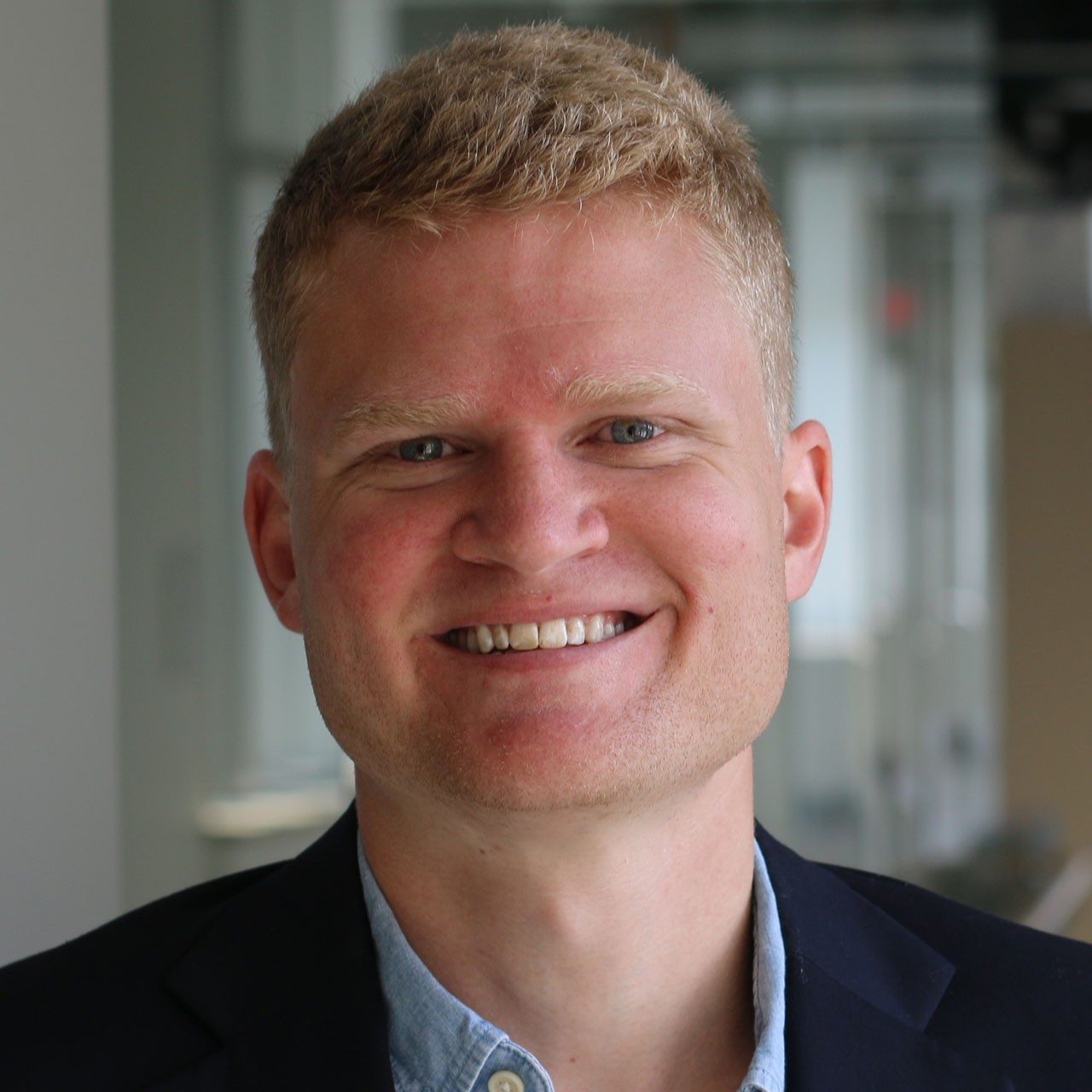
Davide Torielli

Davide Torielli

PostDoctoral Researcher, TU Delft, Netherlands: d.torielli@tudelft.nl

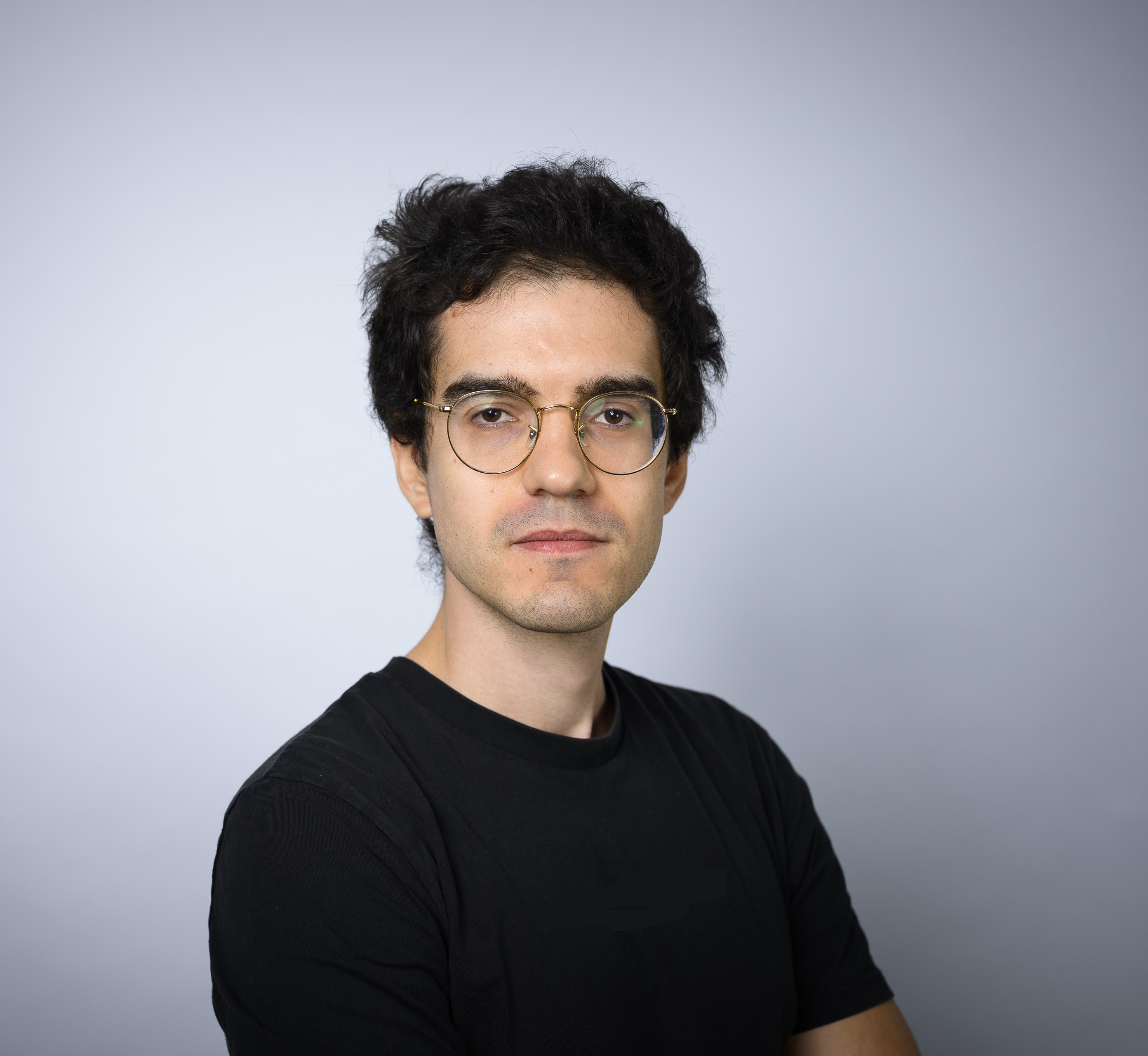
Damiano Gasperini

Damiano Gasperini

PostDoctoral Researcher, Italian Institute of Technology, Italy: damiano.gasperini@iit.it

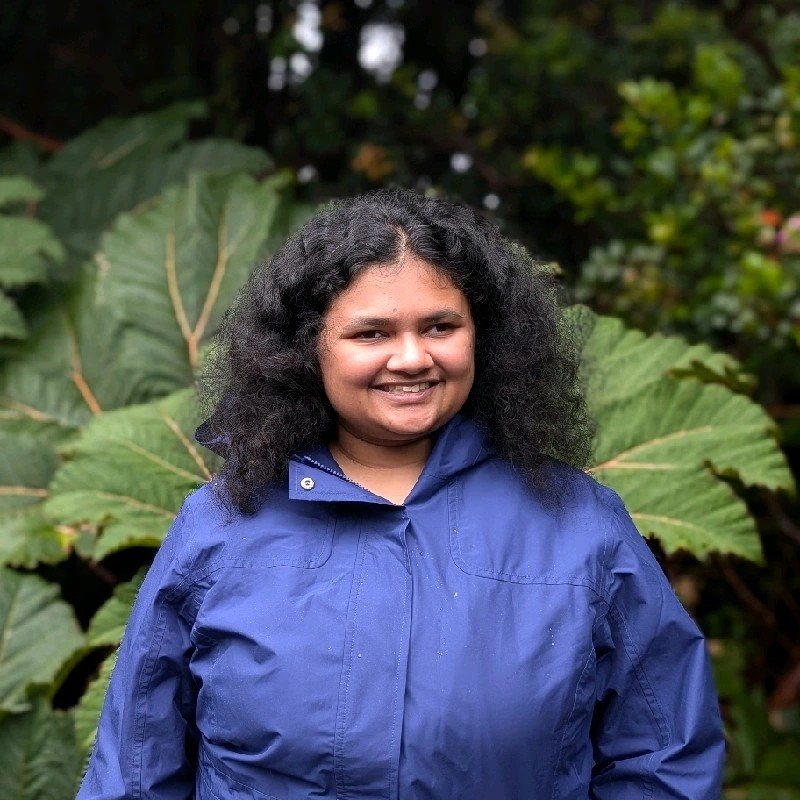
Parag Khanna

Parag Khanna

PostDoctoral Researcher, KTH Royal Institute of Technology, Sweden paragk@kth.se

Debasmita Ghose

Debasmita Ghose

Assistant Professor, Department of Computer Science, University of Illinois, Chicago, USA debasmita.ghose@yale.edu

Ziwei Wang

Ziwei Wang

Assistant Professor, Lancaster University, United Kingdom: z.wang82@lancaster.ac.uk

Angela Faragasso

Angela Faragasso

Lead Researcher Engineer, Finger Vision Inc., Japan: angela.faragaso@fingervision.biz

Nikos Tsagarakis

Nikos Tsagarakis

Principal Investigator, Italian Institute of Technology, Italy: nikos.tsagarakis@iit.it

Christian Smith

Christian Smith

Associate Professor, KTH Royal Institute of Technology, Sweden: ccs@kth.se

Luka Peternel

Luka Peternel

Associate Professor, TU Delft, Netherlands: l.peternel@tudelft.nl